- English
- Español
- Português
- русский
- Français
- 日本語
- Deutsch
- tiếng Việt
- Italiano
- Nederlands
- ภาษาไทย
- Polski
- 한국어
- Svenska
- magyar
- Malay
- বাংলা ভাষার
- Dansk
- Suomi
- हिन्दी
- Pilipino
- Türkçe
- Gaeilge
- العربية
- Indonesia
- Norsk
- تمل
- český
- ελληνικά
- український
- Javanese
- فارسی
- தமிழ்
- తెలుగు
- नेपाली
- Burmese
- български
- ລາວ
- Latine
- Қазақша
- Euskal
- Azərbaycan
- Slovenský jazyk
- Македонски
- Lietuvos
- Eesti Keel
- Română
- Slovenski
- मराठी
- Srpski језик

Why Is Switching Power Supply the Better Choice for Modern Equipment?
2026-03-16
Article Summary
Selecting the right power solution is rarely a small decision. A poor match can lead to unstable output, wasted energy, overheating, frequent maintenance, and avoidable downtime. This article explains what makes a switching power supply a practical option for modern systems, where it performs best, and what buyers should evaluate before placing an order. It also covers common application pain points, from limited installation space to voltage inconsistency, and shows how a well-designed unit can improve reliability, safety, and long-term operating value.
Table of Contents
- Outline
- What Does a Switching Power Supply Actually Do?
- What Problems Are Buyers Usually Trying to Solve?
- Why Does a Switching Power Supply Stand Out in Real Applications?
- How Does It Compare With Traditional Power Solutions?
- What Should You Check Before You Choose One?
- Where Is It Commonly Used?
- Why Does the Supplier Matter as Much as the Product?
- FAQ
- Conclusion
Outline
- Definition and core working purpose of a switching power supply
- Typical purchasing concerns and operational headaches
- Main strengths in efficiency, size, thermal behavior, and output stability
- Side-by-side comparison with more conventional options
- Selection checklist for voltage, current, environment, and protection features
- Typical industrial and commercial use cases
- The value of choosing an experienced manufacturing partner
- Frequently asked buyer questions
What Does a Switching Power Supply Actually Do?
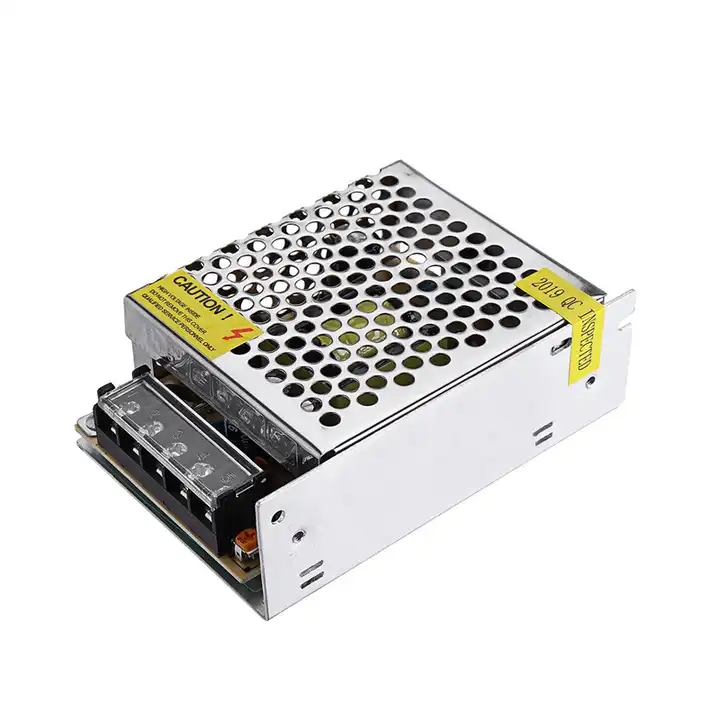
A switching power supply converts incoming electrical power into a controlled and usable output for equipment, systems, and electronic devices. Unlike bulky legacy designs that rely heavily on large transformers working at lower frequencies, this approach regulates power through high-frequency switching. The result is a power conversion method that is more compact, more efficient, and easier to integrate into modern products.
For buyers, the technical principle matters less than the business outcome. What they really want is simple: stable output, lower heat buildup, efficient energy use, and dependable performance under changing loads. When a power unit cannot deliver those basics, the consequences show up fast in the form of device resets, shortened component life, service complaints, and increased replacement costs.
That is why a well-made switching power supply is not just a component. It is the power foundation behind system stability.
What Problems Are Buyers Usually Trying to Solve?
Most customers do not start searching for a power solution because they are curious. They start because something is not working well enough. In practical purchasing scenarios, several pain points appear again and again:
- Equipment runs hot and creates concerns about service life
- Installation space is limited inside control cabinets or compact devices
- Output becomes unstable when the input fluctuates
- Electricity costs rise in systems that run for long hours
- Units fail too often in dusty, humid, or high-temperature environments
- Different projects require different voltage and current combinations
- Compliance, safety, and long-term support are unclear from the supplier side
These issues are especially common in automation, LED systems, communications equipment, industrial control, security devices, medical support electronics, and consumer-facing smart products. In all of these sectors, power quality directly affects product reputation.
Why Does a Switching Power Supply Stand Out in Real Applications?
A strong switching power supply earns its place because it answers real-world constraints instead of creating new ones. The main benefits are not abstract. They solve daily operational problems.
| Buyer Concern | How a Switching Power Supply Helps | Practical Value |
|---|---|---|
| High energy consumption | Improves conversion efficiency and reduces wasted power | Lowers operating cost over time |
| Overheating | Generates less unnecessary heat during conversion | Supports more reliable long-hour operation |
| Limited installation space | Uses a more compact structure than many older designs | Fits dense equipment layouts more easily |
| Unstable output | Provides regulated voltage and current under changing loads | Protects connected equipment and improves performance consistency |
| Harsh working conditions | Can be designed with protection features and rugged housings | Reduces unexpected maintenance events |
| Different project requirements | Available in multiple output ranges and formats | Makes system matching easier and more flexible |
For many users, the most persuasive advantage is balance. A switching power supply does not simply focus on one strength while sacrificing everything else. It can deliver compact size, efficient performance, and steady electrical behavior in one package, which is exactly what modern equipment builders need.
How Does It Compare With Traditional Power Solutions?
Buyers often compare several power supply types before making a decision. That is sensible, because not every project has the same priorities. Still, when size, efficiency, and integration matter, the modern preference is often clear.
| Comparison Point | Switching Power Supply | Traditional Linear Style Power Solution |
|---|---|---|
| Physical size | Usually more compact | Usually larger and heavier |
| Efficiency | Generally higher | Often lower due to more energy loss as heat |
| Heat generation | Lower in many standard applications | Can be significantly higher |
| Suitability for compact devices | Very strong | Less ideal where space is tight |
| Scalability for different projects | High flexibility | More limited in many practical layouts |
| System integration | Well suited to modern electronics and industrial equipment | Can be less convenient for space-sensitive designs |
This does not mean every older solution is obsolete. Some applications still value a different approach for niche reasons. But for most modern commercial and industrial projects, the stronger all-around fit is often the switching power supply.
What Should You Check Before You Choose One?
Buying based only on price is where many projects go wrong. A lower upfront number can become a much higher total cost if the unit is underspecified, unstable, or difficult to maintain. Before choosing a model, it helps to review the following points carefully:
- Input range: Make sure it matches your local grid conditions and expected fluctuation range.
- Output voltage and current: Confirm the real load demand instead of relying on rough estimates.
- Power margin: Leave reasonable headroom instead of running the unit at its limit all the time.
- Cooling method: Consider whether natural cooling or fan-assisted cooling fits your operating environment better.
- Protection functions: Look for overvoltage, overload, overcurrent, and short-circuit protection.
- Mechanical design: Open frame, enclosed type, DIN rail, waterproof style, and other formats each suit different installations.
- Working environment: Check temperature, humidity, ventilation, dust exposure, and vibration levels.
- Service support: Delivery reliability, technical communication, and customization capacity matter more than many buyers expect.
The most reliable purchasing process starts with the application, not the catalog. Once the real operating conditions are clear, the right switching power supply is much easier to identify.
Where Is It Commonly Used?
One reason this product category remains in steady demand is its broad compatibility with modern electrical and electronic systems. It is used across industries because power conversion is not an isolated need. It sits behind nearly every active device.
- Industrial automation systems and PLC control cabinets
- LED lighting and display systems
- Telecommunication and networking equipment
- Security monitoring devices and access control systems
- Medical support electronics and analytical equipment
- Smart home devices and consumer electronics
- Charging systems, instrumentation, and testing platforms
In these applications, the expectation is the same: a power source that stays stable, fits cleanly into the system, and performs without creating unnecessary maintenance pressure.
Why Does the Supplier Matter as Much as the Product?
A power unit can look acceptable on paper and still disappoint in actual use. That usually happens when manufacturing consistency, testing discipline, or application guidance is weak. The supplier is therefore not a minor detail. It is part of the product decision.
An experienced manufacturer is better positioned to support selection, clarify technical parameters, and recommend a realistic fit based on end-use conditions. That matters when projects involve custom requirements, ongoing procurement schedules, or compliance expectations from downstream clients.
Shenzhen Starwell Technology Co., Ltd. is one of the manufacturers active in this field, and for buyers, the important question is not just whether a supplier offers many models. It is whether that supplier can communicate clearly, maintain stable product quality, and support long-term cooperation instead of one-time shipment logic.
In practice, a dependable supplier can help buyers avoid the three most expensive mistakes: choosing the wrong specifications, underestimating environmental conditions, and overlooking future service needs.
FAQ
Is a switching power supply suitable for continuous operation?
Yes, many models are designed for long-hour or continuous-duty use, provided that the selected unit matches the actual load, installation condition, and cooling requirements.
Can it handle unstable input voltage?
Many units are designed to work across a wide input range, but the exact tolerance depends on the model. Checking the specification sheet before purchase is essential.
Why does my power supply fail earlier than expected?
Common reasons include overload, poor ventilation, high ambient temperature, dust buildup, voltage mismatch, and insufficient quality control in the original unit.
Is the most powerful model always the best option?
No. Oversizing without purpose can increase cost and complicate installation. The better choice is a properly matched model with a reasonable margin for reliable operation.
What is the biggest mistake buyers make when choosing a switching power supply?
The most common mistake is focusing only on price while ignoring operating environment, protection features, output stability, and supplier support.
What Should Buyers Remember Before Making the Final Decision?
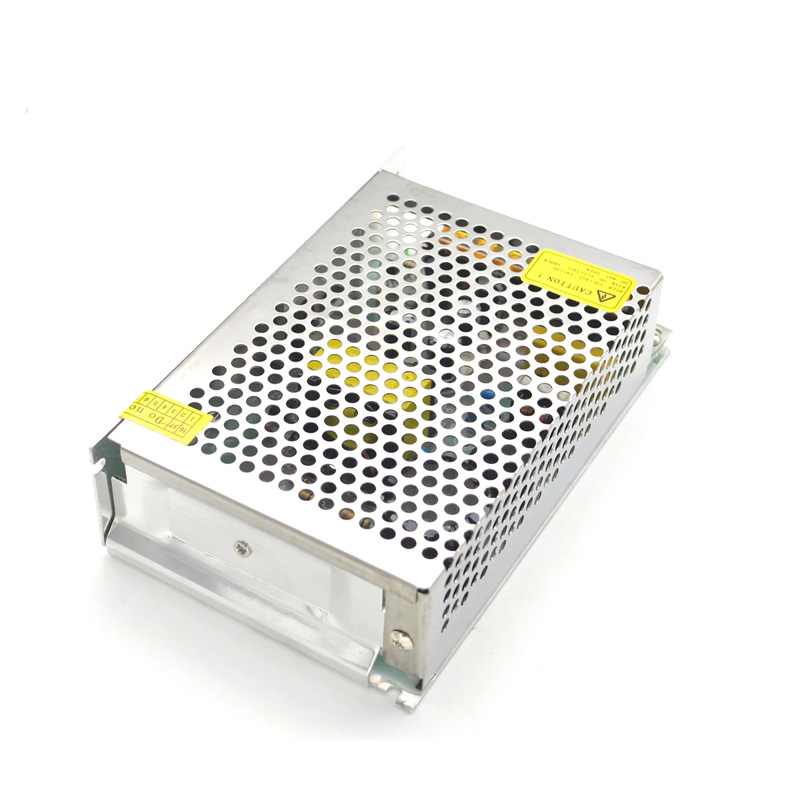
A switching power supply is often the smarter answer when your project demands efficient conversion, compact design, stable output, and dependable long-term performance. It addresses the practical concerns that buyers face every day, including overheating, space limitations, rising operating costs, and unstable electrical behavior.
The best results come from choosing a unit that fits the real application rather than the cheapest listing or the broadest marketing claim. When voltage, current, environmental conditions, protection features, and supplier support are all considered together, the selection becomes much more reliable.
Ready to Find the Right Power Solution?
If you are looking for a dependable switching power supply for industrial, commercial, or customized applications, now is the right time to move from comparison to action. A well-matched product can improve equipment stability, reduce avoidable failures, and support better long-term value. To discuss your requirements, explore suitable models, or request professional assistance for your project, contact us today.